October 22, 2026 | COMMENTARY
Scattered Lights, One Horizon: The Transformative Power of Investing in Women Peacebuilders
Tonight, the Empire State Building will light up the New York skyline to spotlight the work of women who keep families fed when food runs short, hold communities together when conflict tears them apart, and find ways to rebuild when everything they know has been lost. Women who refuse to give up on peace, even when they’re excluded from the negotiations that will shape it.
For us, that light carries a simple message: the essential peacebuilding work led by women’s organisations requires reliable accessible financing to sustain it.
For many, the Empire State Building is a symbol of resilience and hope in bleak times. Today, as conflicts reach their highest levels since World War II and funding dwindles, undeterred civil society and human rights defenders continue to fuel hope. Scattered lights amongst the shadows.
This year, the United Nations Women’s Peace and Humanitarian Fund (WPHF) marks 10 years of investing in this work, financing women-led civil society organizations on the front lines of conflict and crisis.
Just two weeks ago, we were in Geneva at the Global Women’s Peace Forum, alongside over 50 women peacebuilders and human rights defenders who came together from around the world. From Sudan to Ukraine, Myanmar to Colombia, Lebanon to DRC, one message resonated: women are not waiting for peace to arrive. They are co-creating it.
As the UN Security Council Open Debate on Women, Peace and Security happens in New York next week, we must ask: will the world’s recognition of local women’s leadership be matched by the resources and commitments their work demands?
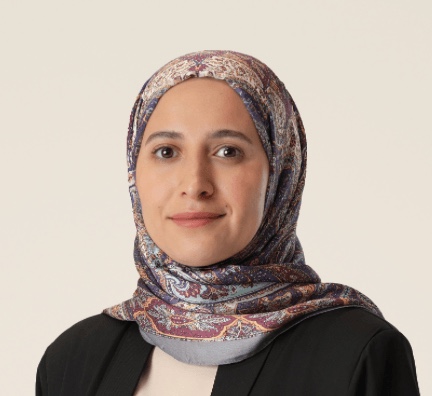 Walaa Musheer Ahmed
For me, Walaa, this issue is personal. It has shaped my life and work in the Kurdistan Region of Iraq.
I began volunteering in my community when I was 17. Years later, when the war against ISIS erupted in 2014, millions were forced from their homes across Iraq, and the majority sought safety in my city, Duhok. I knew I had to act. I wanted to support people who had lost their homes and livelihoods.
I saw women bearing some of heaviest burdens of the crisis, but even in those dark moments, there was light and hope. Families shared food, clothes, blankets, and even their own beds with people who had lost everything. Government authorities also mobilized quickly, opening schools and mosques as temporary shelters until camps were established.
Women were at the heart of this solidarity, yet their voices were not equally represented in the spaces where response, recovery, and longer-term decisions were being shaped.
That experience stayed with me. In 2017, I founded the Better World Organization for Community Development because women, girls, and youth needed more than short-term assistance. They needed power, opportunities, and a supportive environment to shape their own futures.
Years later, when severe floods hit Duhok in 2024, BWOCD was part of the local response. Once again, women were actively contributing to crisis response, but their participation in preparedness, planning, and decision-making structures was still limited. This reinforced the need to ensure that crisis-response mechanisms fully reflect women’s needs, knowledge, and perspectives.
With support from WPHF, we turned that lesson into action. Together with government counterparts, we established crisis management and response committees across five districts, linking them to official structures and supporting women’s role in leading contingency planning, community awareness, early warning, and coordination. Now, the Joint Crisis Coordination Centre has shown interest in scaling elements of the model across the Kurdistan Region.
This is the power of investing in local women-led organizations: turning lessons into opportunities for women to shape the decisions and structures that affect their communities.
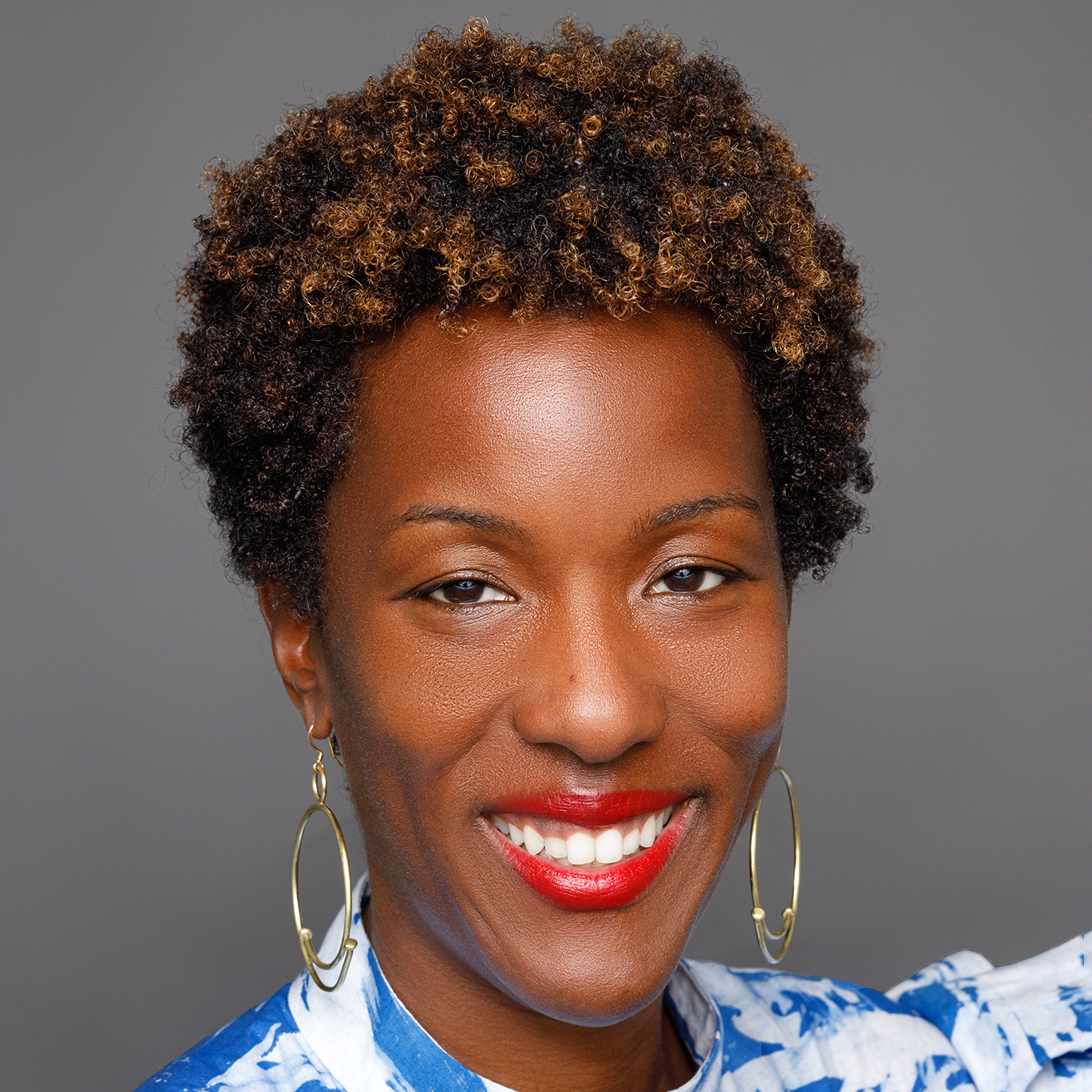
Tonni BrodberWhen I met Walaa at the Global Women’s Peace Forum earlier this month, she – and the many other people who attended the Forum – reaffirmed why WPHF’s model matters. Moving beyond traditional, siloed financing approaches and top-down decision-making, WPHF is a unique innovation within the United Nations. Its unique partnership brings together UN agencies, Member States, and civil society, giving the latter a voice in decision-making. Through its commitment to direct, accessible, and flexible financing, WPHF recognizes that local organizations are not just implementing partners: they are experts in their own contexts and essential actors in building sustainable peace.
Over the past 10 years, WPHF has mobilized over $290 million supporting more than 1,960 civil society organizations across 50 conflict and crisis-affected countries, while also providing urgent protection and advocacy support to over 1,410 women human rights defenders.
Since joining WPHF, I have witnessed the determination of women and men who risk it all to build peace in circumstances some of us could scarcely believe. Many never dreamed that they would have to do this work, but they answered the call when their communities needed them most. They provide food and economic opportunities for displaced families to rebuild their lives, support survivors of violence, document atrocities, bring divided communities together, and fight for women to have a voice in any decision shaping their futures. All while wanting the simple peace of quiet moments with their loved ones in safety.
Their work doesn’t exist in silos. Each woman and man I have had the honor to meet reminds me that our humanity, like peacebuilding, cannot be separated from humanitarian response, economic security, or gender equality. Resilience is built through the engagement of all members of society, and recovery cannot last when women are denied the resources they need.
Investing in women-led organizations is not an add-on to peace and humanitarian action. It is essential to both.
As we gather in New York and reflect, just as fiercely as these women fight to build and sustain peace, we will continue to provide reliable, accessible financing that demonstrates how investing in local women-led organizations means investing in the foundation of lasting peace.
Walaa Musheer AhmedFor me, Walaa, that commitment must translate into a future where women are not invited into decisions as an afterthought, but have a recognized place in the systems that shape their lives — and local women-led organizations have the long-term support they need to make that change last.
