Every morning, as soon as she wakes up, Nargis Nehan picks up her phone and scrolls through a flood of messages from Afghanistan. They arrive through WhatsApp, Messenger, Facebook, X, and LinkedIn, informing her of more closed schools, shuttered offices, sudden disappearances, and new restrictions closing in on women’s lives.
The weight of them lands instantly, followed by un unshakable question: can I allow myself to feel safe and happy, knowing they are not?
August 2021 still feels close. In the weeks before Kabul fell, her family, friends, and even embassies urged her to leave.
Why should I go anywhere? If anything is happening, I want to be here and be part of it.
But things changed quickly. As threats escalated and the government began to collapse, she boarded an overnight evacuation flight – first to Norway, then to Canada – while many of her colleagues were airlifted to other countries.
From exile, Nargis has watched the systematic erasure of women and girls from public life since the Taliban’s return to power. They’ve banned secondary and higher education for girls, pushed women out of most sectors of employment, restricted travel without a male guardian, and prohibited women’s voices from being heard in public under the 2024 Law on the Propagation of Virtue and Prevention of Vice.
From the moment her plane left Afghan soil, she began speaking out about this reality, becoming one of the most prominent voices insisting that what is happening in Afghanistan must be called what she believes it is: gender apartheid.
The Taliban’s subjugation of women is not cultural or temporary — it is central to their political project. It is about power and control, and ensuring women never become a challenge.
From 2024 to 2025, the Window for Women Human Rights Defenders of the United Nations Women’s Peace and Humanitarian Fund (WPHF) supported several advocacy initiatives led by Nargis, bringing delegations of Afghan women activists to key global forums. These included the Commission on the Status of Women and the UN General Assembly in New York, as well as the Human Rights Council in Geneva.
At these spaces, Nargis drew attention to the escalating crisis facing women in Afghanistan, warned of the growing threat of religious extremism, and pressed the international community to take decisive action — including codifying gender apartheid under international law.
The WPHF Window for Women Human Rights Defenders provides rapid, flexible support to WHRDs working in conflict and crisis-affected countries, responding to their urgent protection needs and facilitating their participation in global advocacy platforms.
Since its launch in 2022, the Window has supported over 1,200 WHRDs and their 3,766 dependents across 30 countries, helping them relocate safely to other countries, buy security equipment, get urgent psychological assistance, and cover their travel expenses to attend international events. 78% of these WHRDs report the protection support they received enabled them to continue their activism.
Across Afghanistan, women continue to resist, finding new ways to defy the Taliban. Nargis remains in close contact with many of them. Much of this resistance happens in living rooms and basements, where women hold small trainings, organize dialogues, run informal schools, and launch small businesses to survive. Under constant surveillance and threat, entire communities, men and women alike, risk their lives to support women and civil society organizations working undercover.
What gives Afghan women the courage to keep going is this solidarity. Because we’re not only resisting the Taliban: we are demanding protections in international law so that no woman, anywhere, will face systematic discrimination simply because of her gender.
Nargis’ life has been shaped by exile. Born in Kabul, a middle child among three brothers and five sisters, she was just 11 years old when her family fled the Soviet occupation and sought refuge in Pakistan. She was a brilliant student in a country where tradition often privileges boys’ education. But despite financial hardship, her father saw her potential and made a different choice: he invested in her future.
She graduated from university in the capital, Peshawar, found work with an international nongovernmental organization, and became her family’s primary breadwinner. In 2002, after the United States invaded Afghanistan, she returned to Kabul. The city was shattered, but for an English-speaking, computer-literate Afghan woman determined to contribute to the country’s reconstruction, it was also a place of possibility.
She quickly rose through public service to become Minister of Mines and Petroleum, becoming one of the few women occupying a senior government position and building a reputation as a reformer: outspoken, principled, and with very strong ideas.
I was never good at staying silent. And I don’t intend to start now.
To this day, that hasn’t changed. From wherever she is, Nargis keeps urging governments and the United Nations to engage meaningfully with Afghan women and civil society — not as symbolic gestures, but as genuine partners. Support, she argues, must be visible and practical: funding grassroots organizations, delivering humanitarian aid through women-led networks, meeting women publicly, and giving them platforms to speak.
Like many Afghan women activists in exile, she has poured nearly every ounce of energy into this work.
So many of us never take a day off. We often forget to take care of ourselves. We are working day and night to do something for Afghanistan, for women who are still in the country, and this has really affected our health. But it is the least we can do.
Though far from home, Nargis has never lost hope about coming back to Afghanistan. She has received many invitations to return, with assurances from the Taliban that she could “do more” for women from inside the country, but she has declined every single one of them. Returning under those conditions, she says, would mean acceptance of their regime, and she will not legitimize a system built on women’s erasure.
I will only go back when girls can return to school. When women can move freely. When women can work. When women can build a future.
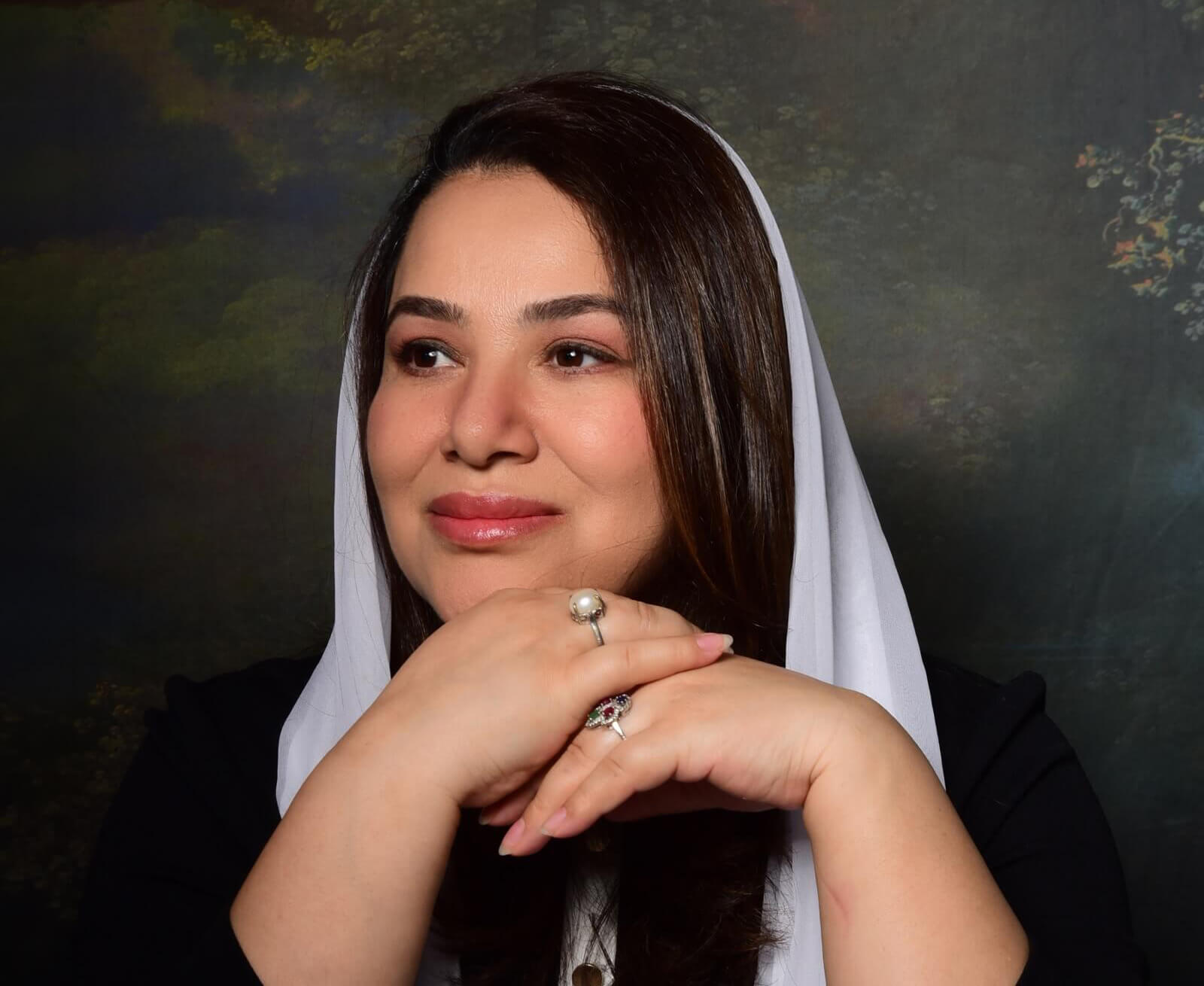
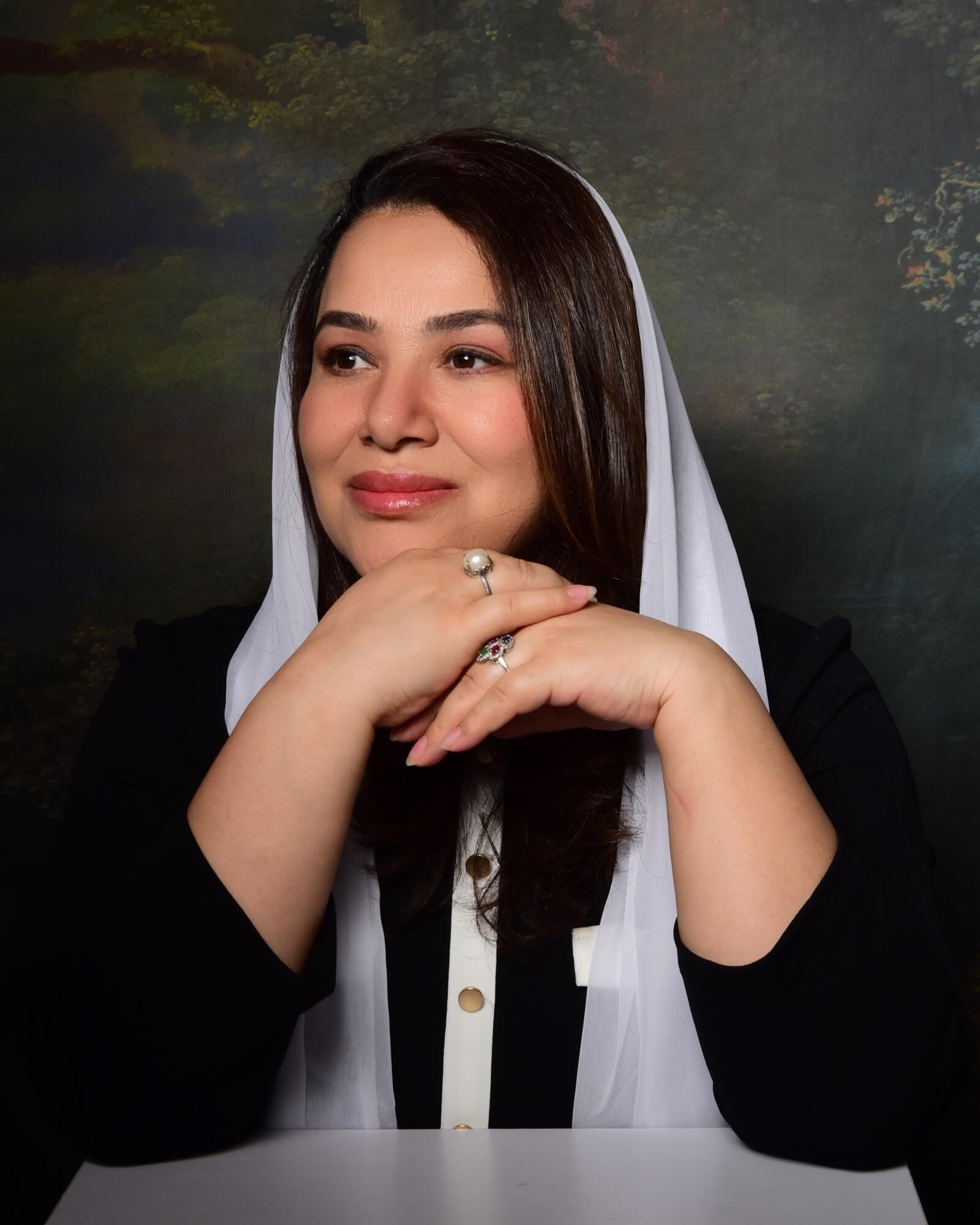
Nargis Nehan has risen as a prominent voice for Afghan women’s rights, pushing for the international recognition and codification of gender apartheid. (Photo courtesy of Nargis Nehan)
