Since 2020, WPHF has supported 30 women’s rights and women-led organizations in Cox’s Bazar, Bangladesh, helping Rohingya refugee women and girls navigate urgent humanitarian challenges, access protection services, and take part in peacebuilding and recovery activities across the camps. Almost one third of these organizations received UN funding for the very first time through WPHF.
With this support, WPHF partners have strengthened women’s coalitions serving both Rohingya refugees and host communities, delivered primary health care services, and led practical trainings — from livestock rearing and block printing to food processing and home gardening — helping Rohingya women build income, stability, and resilience.
For Tazmun, recovery is both emotional and economic — both things are inseparable. That’s why RWWS pairs counseling and safe spaces with livelihood and skills-training programs that help women rebuild confidence and regain control over their lives.
What makes local, women-led organizations like hers so effective is proximity — cultural, linguistic, and human. They don’t have any language barrier, they can really understand people’s sorrows, and they can forge deep connections with the most vulnerable.
Being women matters, too.
Tazmun’s commitment to equality is rooted in her own story. She grew up with seven sisters in a family that refused to treat daughters differently. They all completed their education and built independent lives. Now, raising two sons of her own, she is determined to pass on those same values.
They are not sons or daughters. They are my children. They must cook, clean, and share household tasks. That’s the only way they can grow as complete human beings.
Among the many people she has worked with, one girl remains especially close to her heart: a Rohingya adolescent with disabilities who had been kept at home, overlooked by her family and excluded from community life. Tazmun visited her parents and insisted their daughter’s life mattered. “I told them she has rights,” she recalls. She connected the girl to disability-friendly services and safe spaces, and now “she is living a better life than before.”
Working for women’s rights in a deeply patriarchal society is never easy. However, Tazmun believes change begins with giving women a voice and motivating them to break their silence.
When I see a woman smile, when I see the change between before and after, that inspires me. Because that is power.
She dreams of one day shaping national policy, of sitting where decisions are made and speaking for the communities she comes from. And for girls in Cox’s Bazar and across Bangladesh, her message is clear: education must go hand in hand by deeper social change.
Men’s thinking has to change. That’s the only way women can move forward.
She smiles, thinking of her sons and the future she is trying to build for them.
I’m not alone. We will.
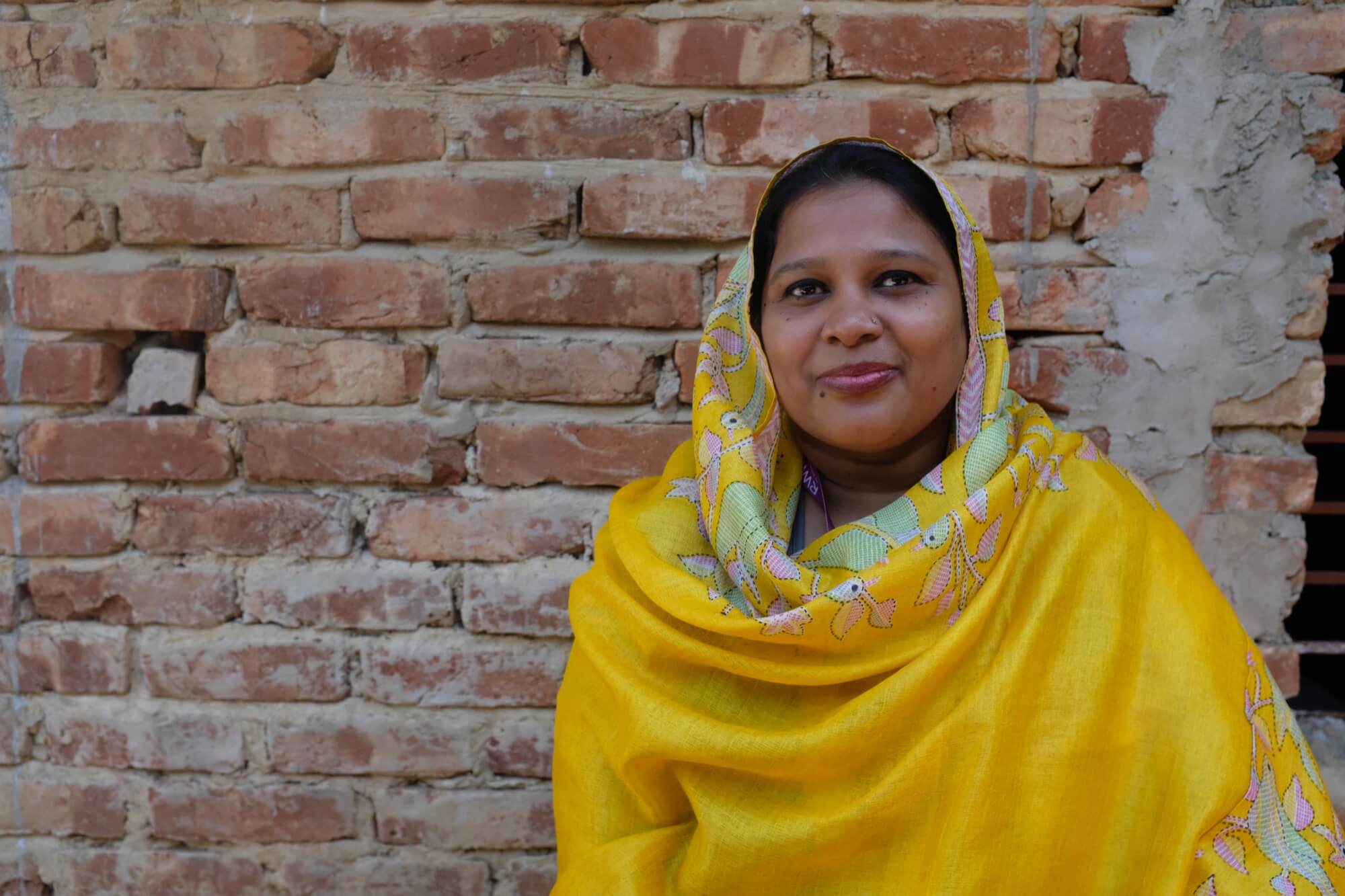
Tazmun Nahar Hamid during an interview with WPHF in Cox’s Bazar, Bangladesh, in December 2024. (Photo: WPHF/Matthew Rullo)