August 15, 2025 | COMMENTARY
I Grew Up Under the Taliban. I’m Still Fighting — But Not Without a Cost
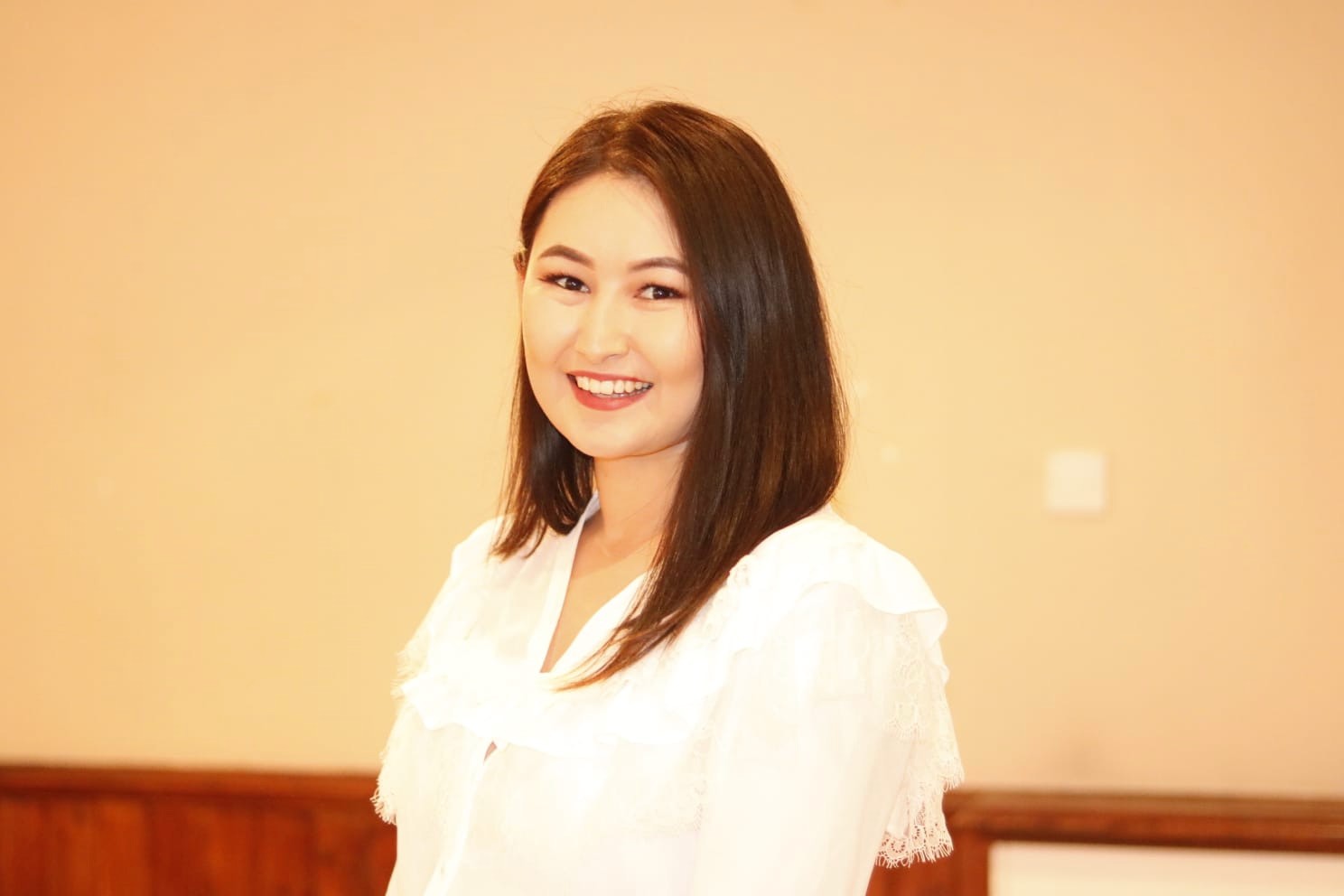
Homira May Rezai
Homira May Rezai, PhD, is a Hazara rights activist, scientist, and human rights defender from Afghanistan. In 2025, she received logistical support through the WPHF Window for Women Human Rights Defenders to participate in a series of interactive dialogues and advocacy meetings on Afghanistan during the 58th and 59th sessions of the UN Human Rights Council in Geneva, held in February and June. She is a Fellow of the Royal Society of Arts.
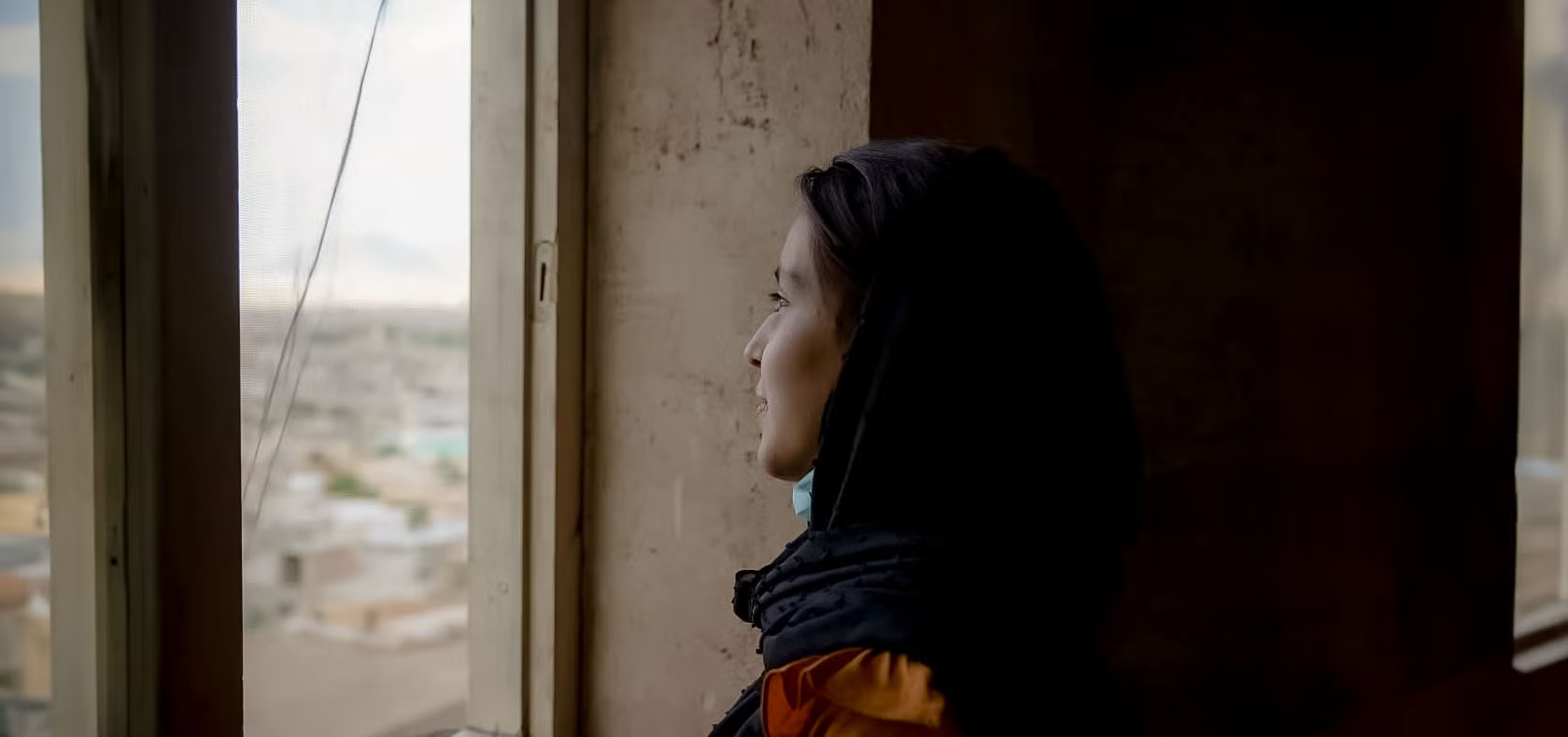
“The cost of abandonment is measured in the women we are losing, the deepening human rights crisis, and the silencing of those who have risked everything to speak,” says Homira May Rezai. Photo: UN Women/Sayed Habib Bidell
Four years have passed since the Taliban took control of Afghanistan. In that time, the country has endured one of the most devastating reversals of human rights in living memory. More than 130 edicts have been issued to erase women and girls from public life. They have been banned from secondary and university education, barred from work, prevented from travelling alone, denied access to healthcare, and even forbidden from entering parks and bathhouses.
What is happening in Afghanistan is not just repression. Many of us who work in human rights call it what it truly is: gender apartheid. This is a system built to segregate, control, and silence women solely because of their gender. Human rights activists are now campaigning to codify gender apartheid in international law — not only to hold the Taliban accountable, but to create tools that protect women wherever such systems take root.
But as the crisis has deepened, the support for those fighting back has all but disappeared. International funding that once sustained women’s rights work is vanishing. These cuts have devastated the efforts of women human rights defenders, whether they are working from exile or inside Afghanistan, in secret or in plain sight.
The impact is felt across the board, but it is especially brutal for those of us who are already marginalized. Women who are Hazara, from religious minority groups, LGBTQ+, or disabled, face multiple layers of discrimination and danger. Yet we are often the last to be funded, the last to be heard, and the last to be protected.
Erased by the Taliban and Ignored by the World
Women from Afghanistan are not a monolith. While all women are suffering under the Taliban, those of us from marginalized communities face deeper layers of oppression. I know this as someone who lived through the first Taliban regime. As a Hazara girl banned from school, growing up under the constant fear of being disappeared, displaced, or killed.
That fear never fully left. Not because I didn’t leave Afghanistan, but because I’ve never stopped fighting. And that fight is lonelier than most people realize.
Being a Hazara woman human rights defender means facing threats from all sides. The Taliban sees me as a threat. But so do those in the Afghan diaspora who don’t want to talk about Hazara persecution.
When I speak about bombed schools, massacred communities, or the systematic denial of political representation, I’m often not just ignored. I’m attacked. Even in human rights spaces, our grief is treated as inconvenient, our voices as too political, too complicated, too uncomfortable.
That’s what makes this struggle not only dangerous but isolating.
And when funding is cut, that isolation becomes complete. In recent years, international support gave communities like mine a rare chance to build something: to train researchers, document our own stories, and finally speak on our own terms. For a brief moment, we could imagine a future where our work was resourced, recognized, and respected. But that hope is slipping away.
The Cost of Abandonment
It’s difficult to describe what it feels like to keep going when everything around you is being taken away. The cost of abandonment goes far beyond the number of closed programs. It is measured in the women we are losing, the deepening human rights crisis, and the silencing of those who have risked everything to speak.
Over the past two years, international support for women human rights defenders from Afghanistan has quietly disappeared. But this retreat has not been neutral. It has hit hardest those already pushed to the margins. Women who are Hazara, LGBTQ+, disabled, those facing the greatest risks are the first to be forgotten when funding dries up.
I’ve seen this most clearly in my work with the Bolaq Analyst Network, where we document atrocities committed against the Hazara community. Our researchers, many still inside Afghanistan, work in silence and fear. They verify evidence of bombings, forced displacement, and disappearances. They do this without salaries, security, or institutional support. Many also workday jobs just to survive. Some have already had to stop, not because they don’t care, but because they are exhausted, traumatised, and utterly unsupported.
In 2022, I co-led the #StopHazaraGenocide campaign. It mobilized protests in over 120 cities and reached more than 22 million hashtags on X (formerly known as Twitter). But behind that mobilization were women holding everything together with unpaid labor and fraying strength.
And when funding disappears, the first to feel it are women like us. Those furthest from power, furthest from visibility, and closest to the crisis. The cost of abandonment is not theoretical. It is happening now, and we are paying the price.
Solidarity Without Action is Silence
We are not asking for sympathy. We are demanding justice.
Women from Afghanistan are still here, teaching, documenting, resisting. It is time to stand in solidarity with women of Afghanistan for a better future worldwide.
We need funding that is not only flexible and long-term, but accessible to women-led organizations rooted in marginalized communities. Too often, support goes to those already visible. Meanwhile, the educators in exile, the researchers in hiding, and the women leading from refugee camps are left with nothing but willpower.
Intersectionality must be at the heart of any response. The effort to codify gender apartheid must not replicate the same exclusions it seeks to dismantle. Hazara women, LGBTQ+ defenders, disabled women, we are not an afterthought. We are the center of the fight.
If you stand with us, show us. Because solidarity without action is just another kind of silence.
